Six-week live programme · next cohort enrolling now
Turn what you already know into a sustainability consultancy companies actually pay for
You don't need a new career. You need a structure. In six weeks you design one signature workshop you can sell for €3,000 to €10,000, and leave with your first corporate opportunity already in motion.
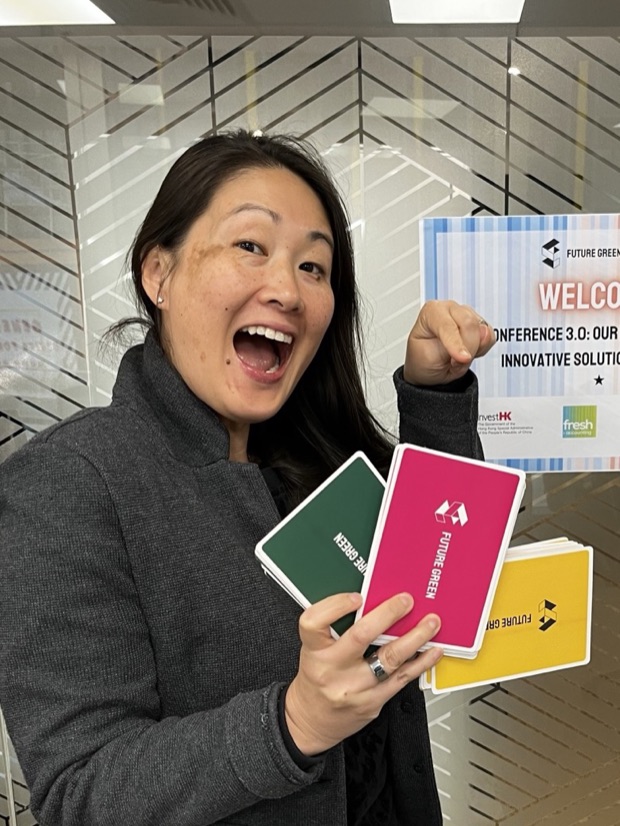
Small cohort. Weekly one-to-ones with Heidi. Not a video library.
Book your live discovery callFree, 30 minutes, live with Heidi. Straight answers, and we work out together whether it's right for you.
The uncomfortable truth
Sustainability jobs are being cut. Sustainability consultants are being hired.
You've seen it. ESG teams deprioritised, standalone sustainability roles first on the redundancy list, and a political climate that makes the whole field feel like a dead end.
Here's what the headlines miss: companies are still buying sustainability, quietly, because their clients demand it. A New York events agency came to us for ISO 20121 certification, not out of values, but commercial survival. Their clients require it.
The people winning that work are not "sustainability professionals". They are professionals who layered sustainability on top of a skill companies already pay for. When you're the strategist, the facilitator, the operator who also carries the green expertise, you're not the line item that gets cut. You're the differentiator.
That layering is the whole method. It's why it's called the Green Entrepreneur Method, not the sustainability course.
Sound familiar?
You're not short on knowledge. You're short on structure.
Every person who joins GEM arrives with expertise, a career, often a degree or an MBA, and a genuine pull toward this work. And almost all of them say a version of the same things on our first call:
- "I sit in meetings thinking none of this actually matters."
- "I know my stuff, but I have no idea how to package it into something a company would pay for."
- "I need someone to remove the administrivia and give me structure."
- "The stress is showing up at home. I can't keep pouring from an empty cup."
- "What do I even charge? Day rate? Hourly? Per project? Everyone says they undercharged for years."
- "There's so much admin: agreements, proposals, documentation. If you want to make money, you need to sell, and the paperwork keeps eating that time."
- "Do I build the thing now, or do I get comfortable and let another year pass?"
If you nodded at two or more of those, keep reading. The rest of this page answers, honestly, the exact questions people ask us before they join.
The outcome
What you walk away with after six weeks
- One fully designed signature workshop, priced and ready to sell for €3,000 to €10,000.
- Your first corporate opportunity in motion, a real conversation with a real prospect from your own network, started before the programme ends.
- Your niche, named. The specific entry-point problem you solve, for a specific kind of client.
- The Consultant's Playbook: draft client agreements and SOWs, proposal templates, a discovery call script, client email templates, end-of-project feedback surveys and a pricing ladder, so you never build from a blank page.
- Facilitation skills that survive AI. Rooms, decisions and people. The part of consulting that doesn't get automated.
One workshop sold pays the programme back. That's the maths the whole thing is built on.
The method
Three pillars, six weeks
- Find your niche. Through sustainability frameworks in the food system and climate change, you pin down the specific problem you solve and who pays for it. Knowledge isn't the product. Applied knowledge is.
- The Sustainability Sprint method. The delivery mechanism we use with corporate clients: silent-first, time-boxed, every voice equal, ending in decisions rather than discussion. This is where your signature workshop gets designed and rehearsed.
- Business systems. Niche, offer, price, first client. The Consultant's Playbook does the paperwork (agreements, proposals, client emails, surveys), the pitch gets written, and the first conversation booked.
"What does the relationship actually look like? Am I just watching videos alone?"
Asked on a real consultation call, July 2026
You work with me directly. I'm in the trenches with you for six weeks.
This is not a course where I hand you videos and say good luck.
- Weekly one-to-ones with Heidi. You bring questions from the content, we answer them live, on your actual business.
- Live delivery practice. You run a 15-minute slot, we watch, and you get honest feedback on what worked.
- A private community channel for the in-between moments.
- The week-six strategy call, where it all ties together: your niche, your workshop, your first pitch, in front of me, finished.
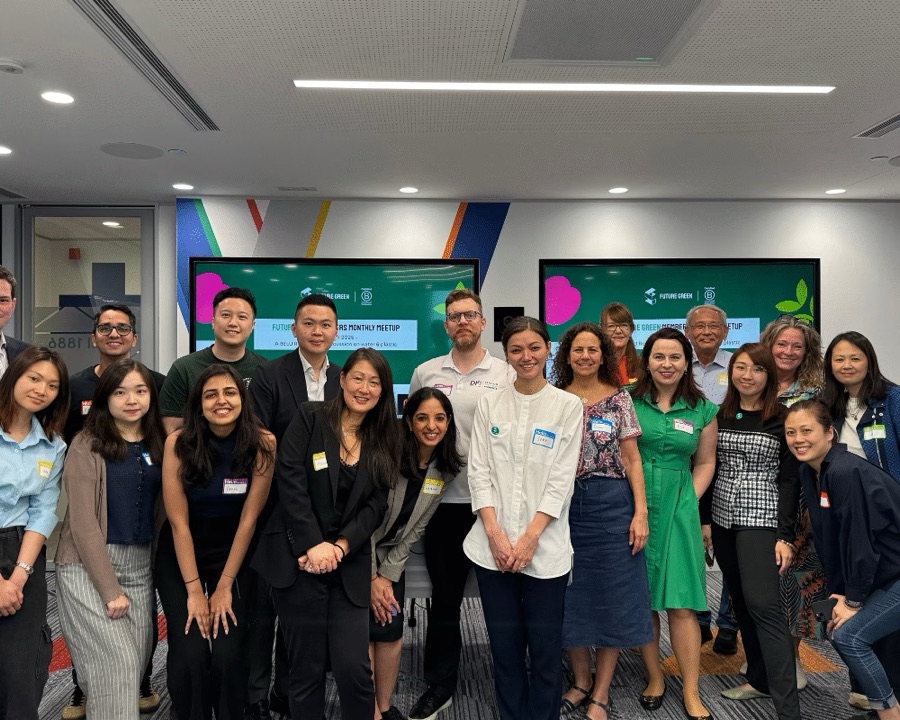
"But how do I land my first client outside my current employer?"
The most common question we get, verbatim
The First Client Ladder
Nobody's first client is a stranger. That's not a hack, it's how this actually works, so we built it into Pillar 3 as a ladder you climb one rung at a time:
- Practice on a warm room, free. Your team, a co-working space, a conference slot. Practice is what removes the fear.
- A founding client who already trusts you. A former employer or someone in your network, at a founding rate, in exchange for a testimonial. You leave GEM with this rung already in motion.
- Referrals and that testimonial carry you to strangers. By then you're not pitching cold. You're showing receipts.
What the ladder looks like when someone climbs it
At first, I felt slightly intimidated by the prospect of diving deep into technical content and climate data. [...] Skip a few months and that's now become a reality! On Monday I was honoured to bring this knowledge and facilitation toolkit to life by delivering the certified course to our own team, making sure we lead by doing.
Hayley Bagnall · Chief Integrity Officer, yellow.global. Trained by Heidi, now delivering her own certified courses.
I had all the tools and frameworks needed to guide my team through the innovation process. Their onboarding was thorough and practical, which gave all the Table Captains the confidence to succeed and support our teams.
Mark Swinkels · Facilitator and community builder, after running a room with Heidi's method
"How does one workshop snowball into an actual business?"
Asked on a real consultation call, July 2026
Because a good workshop always creates its own next project
You run a strategy sprint. The client leaves with a ten-point plan. Who executes the plan? That's the next engagement. Then the six-month check-in. You're never selling workshops. You're selling a transformation, and transformation has stages.
Swire Properties · year three of the relationship
Swire's F&B tenants had ignored a sustainability audit for three months. One sprint later, the data came back in two weeks. That relationship started with a single workshop. It's now in its third year.
Compass Group Hong Kong · two days
Compass Group Hong Kong co-created a full food sustainability strategy with us in a two-day sprint. We've watched the same alignment work take an internal corporate team nine months. That's why companies pay €3,000 to €10,000 for a single well-run room.
Not "thought leadership", structural change
A caterer's chef and sustainability lead had never once talked. Everyone assumed cost was the blocker. It was seasonality. One room, one sprint, ten-point plan. Workshops don't replace real change. Run properly, they're how it starts.
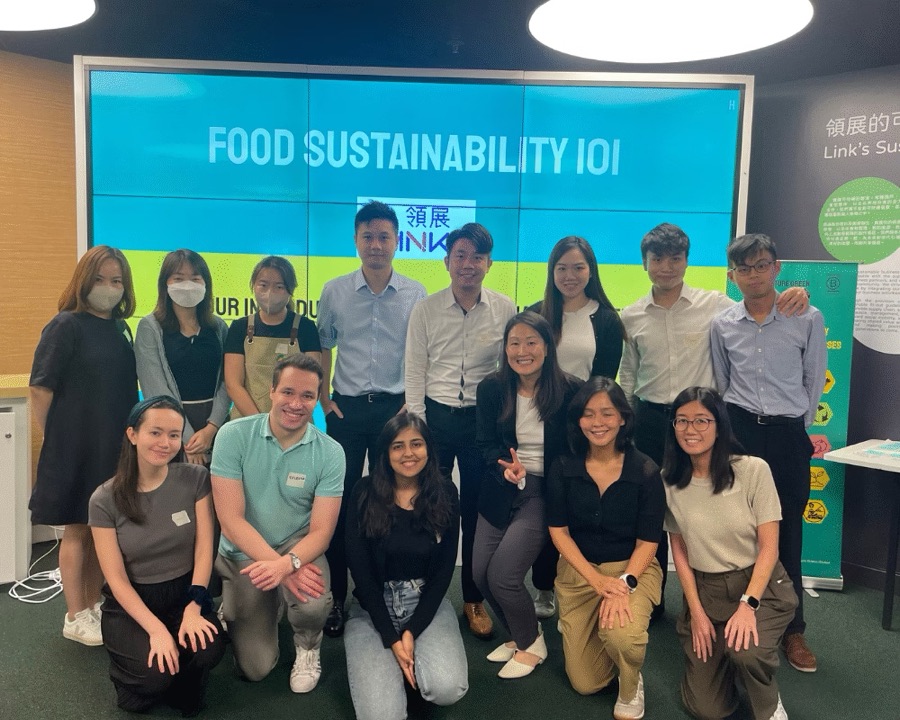
Don't take our word that companies pay for these rooms
Heidi expertly facilitated the session, guiding us through a well-organised process where all participants were able to clearly identify key challenges and collaboratively prioritise solutions. The workshop culminated in a highly effective priority map of actions.
Eira Jarvis · Managing Director (Asia), Pret A Manger
My team recently completed a 2 day 'Sprint' workshop with Future Green, and we were very impressed by the amount of content AND strategy we managed to cover in those days; leaving the event with actionable strategy priorities that will support our next steps.
Tom Brookes Burney · Culinary Director, Compass Group Hong Kong
Her workshops have resulted in a highly effective priority action map, which will serve as a cornerstone for our future policy development.
Laurent Houdremont · Head of Food Solution Innovation, Sodexo
This is the method you're learning. Same sprints, same structure, taught to you.
"I have a full-time job. My only concern is the time."
Asked on a real consultation call, July 2026
Honestly? Five hours a week. Here's how people fit it in.
We won't pretend it's less, because the people who trust us most are the ones we're straight with. Five hours a week, minimum, for six weeks.
But it doesn't have to be at a laptop. Students listen to the content walking the dog. One hour each morning before the house wakes up, or a weekend deep dive, whatever fits your life. We plan your calendar together before you start.
And the six weeks exist because you're busy. Every student who ever went open-ended is still "in progress". A deadline is not the pressure, it's the finish line: on a specific date, you show me a finished workshop. The content stays yours for life.
Who's teaching this
I built this from a kitchen table, with no list, no followers, and a rejected CV
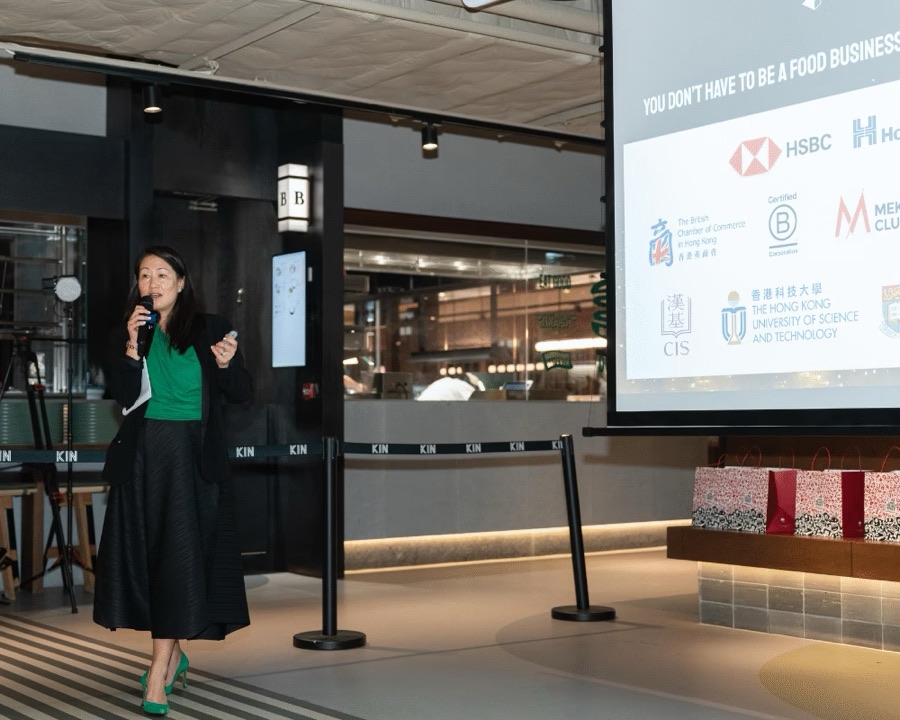
I'm Heidi Spurrell, founder of Future Green, a B Corp certified sustainability consultancy working with some of the biggest property, retail and events names in Asia and Europe.
It didn't start that way. It started with a stay-at-home mum whose CV kept getting rejected, who feared she'd never have an identity beyond mum and wife. I had the sustainability knowledge. What changed everything was learning to facilitate, and layering my expertise on top of it. My first sprint sold for almost nothing. Recent ones have sold for €25,000.
Seven years on, this is where that kitchen table stands:
Built in rooms paid for by names you'll recognise:
Every name above is a written-up project, not a borrowed logo: read the case studies.
GEM is the method I wish someone had handed me in year one.
If you only remember one thing: I am not special. I had a structure. That's what you're buying.
Heidi is a brilliant facilitator and host who creates belonging in her projects. She brings research and practical tools to energise the crowd and get them both able and excited to take action.
Lorna McDowall · Employee experience consultant, sells her own workshops and design sprints
I've been in the sustainability field all my career and in food and beverage in the past 4 years, but still, I picked up so much more useful knowledge from this course.
Simeon Cheng · Group Director, Sustainability, Vitasoy International
There are a few hundred more where those came from: read the full wall of love.
"So what exactly do I get for the money?"
The question every smart buyer asks. Here's the full answer.
The price, and exactly what it buys
It's €2,500. We'd rather tell you here than dance around it.
For scale: I've spent £65,000 on my own professional development over the last six years. The courses, the coaches, the certifications, the wrong turns. GEM is that, compressed into six weeks, minus the wrong turns, for a fraction of what it cost me. This is what your €2,500 buys:
| Six-week live programme | All three pillars, structured, with a start and a finish |
| Weekly one-to-ones | Direct time with Heidi, on your business, every week |
| Signature workshop build | Designed, rehearsed and priced by week six |
| Templates & systems | Proposals, pricing, follow-ups, ready to use |
| Community channel | Peers on the same climb, plus alumni |
| Week-six strategy call | Your niche, workshop and first pitch, finished together |
| Lifetime access | The content is yours for good |
Split plan: 50% now, 50% next month
One payment, done
And the honest frame on the number: the goal of the six weeks is one workshop you charge €3,000 to €10,000 for. One project pays this back. So the real question isn't the €2,500. It's whether you believe you'll have that workshop ready. That part is my job.
If you're not successful, it isn't successful for me either. My business runs on testimonials.
Cohorts stay small because the one-to-ones are real. When the calendar's full, enrolment closes.
Book your live discovery callThere's no checkout on this page on purpose. Every student starts with a real conversation, so you know it's right before a euro moves.
Why now, honestly
Try the five-year picture
No countdown timers here. Just a quick thought experiment.
Fast forward five years, and nothing changed. The same meetings that don't seem to matter. The same expertise, still unpackaged, still unpaid for. The same "one day I'll do something with this", except it's five years older now, and so are you. Sit with that picture for a second. Whatever you just felt reading it, that feeling is the honest answer to "is now the right time?"
Now the other picture. Five years from now you're the consultant with a niche that's unmistakably yours, clients who rebook you year after year, and a workshop you've run so many times it feels like home. The people in that picture aren't smarter than you. They just started, and the whole thing began with six weeks.
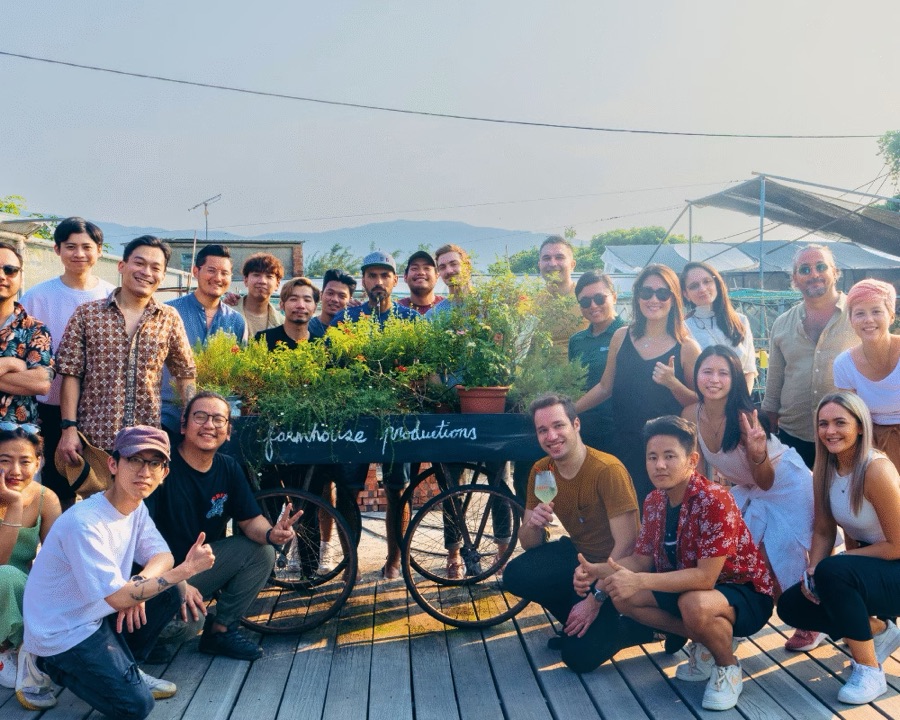
So the question isn't really whether to do it. It's which of those two pictures you're building towards, because you're building towards one of them either way. (GEM graduates also get first access to our in-person practice retreats in Portugal, where you run the signature Sustainability Sprint workshop you built for a room of peers before your first client ever sees it.)
Waiting doesn't create clarity. It just delays building it.
The questions people actually ask
Straight answers
"Niching down feels like shrinking my work. I think in systems."
Keep the systems brain, that's your depth. But clients don't buy systems, they buy their problem. When we pitched a global sports event, we knew the whole food system story and talked about one thing: waste, because that was their pain. The niche is your entry point, not your ceiling. Once you're in, the systems thinking is what keeps them renewing.
"A six-week deadline format hasn't worked for me before."
The deadline isn't for the content, you keep that for life. It's for the finish line. Every student who went open-ended is still "in progress". And if pace is the worry, we plan the calendar around your life before you start, that's what the first one-to-one is for.
"Isn't sustainability a dead end in this political climate?"
Standalone sustainability roles are being cut, true. But companies are still buying, quietly, because their clients demand it. When you layer sustainability onto a skill companies already pay for, you're not the line item that gets cut. You're the differentiator. That is precisely the model this programme teaches.
"Can I really do this? I'm starting from zero."
Heidi started with no list, no followers and a rejected CV. You're likely starting with more: a career, a network, and expertise someone already pays you for. GEM doesn't ask you to become someone new. It gives your existing experience a structure and a price tag.
"What should I charge, day rates or hourly?"
Usually neither. Hourly punishes your experience, and day rates cap you at delivery work. GEM teaches package pricing: a discovery workshop, then a strategy sprint, each priced against the cost of the client's problem rather than your hours. And we work on the part nobody admits is the real blocker: the confidence to say the number out loud and stop talking. Heidi undercharged for years so you don't have to.
"Do I get contracts and proposal templates?"
Yes, and more than that. Every student gets the Consultant's Playbook: a draft client agreement with a scope clause (so "could you also just..." stops costing you money), a statement of work, proposal templates, a discovery call script, client email templates for every stage from first outreach to project wrap, end-of-project feedback surveys, the pricing ladder, and much more. You adapt, you don't start from blank pages.
"What if it's not in the budget right now?"
Two things. There's a split plan, 50% now and 50% next month. And if the honest answer is that the timing is genuinely wrong, we'd rather you join when you can commit. Book the call anyway and we'll tell you straight if now isn't your moment. We do that regularly.
"I need to think about it."
Normal, and welcome. One question worth asking yourself first: is it a "should I do this?" doubt, or a "how do I make it work?" doubt? The first one, sleep on. The second one, bring to a call, because logistics are solvable in twenty minutes: timing, calendar, payment plan, first client route. That's what the discovery call is for.
Six weeks from now, you have the workshop.
Or six weeks from now, you're exactly where you are today. Both are choices.
Book your live discovery callFree · 30 minutes · Live with Heidi · Small cohort